 ultimate-guide
How to Start a Whole House Remodel: A Step-by-Step Guide
Last Updated: November 12, 2026
Quick Summary
Start a whole house remodel by defining your renovation goals and assessing your home's condition room by room, noting failing systems like HVAC, electrical, and plumbing. Sort your wishlist into must-fix, want, and dream items, then set a realistic budget with a contingency before selecting materials.
- A whole house remodel combines structural work, mechanical upgrades, and finishes under one plan.
- Assess the roof, foundation, windows, drainage, HVAC age, electrical panel, and plumbing supply lines.
- Set a contingency before choosing materials, because change orders are where budgets break.
- The construction order rarely changes: design, permits, demolition, structural, rough systems, HVAC, insulation, drywall, finishes.
- The cheapest bid is usually cheap because something was left out of the scope.
Table of Contents
- Step 1: Define Your Renovation Goals and Assess Your Home
- Step 2: Understand Complete Home Renovation Cost and Set a Realistic Budget
- Step 3: Plan Your Whole House Renovation Timeline and Hire the Right General Contractor
- Frequently Asked Questions
Step 1: Define Your Renovation Goals and Assess Your Home
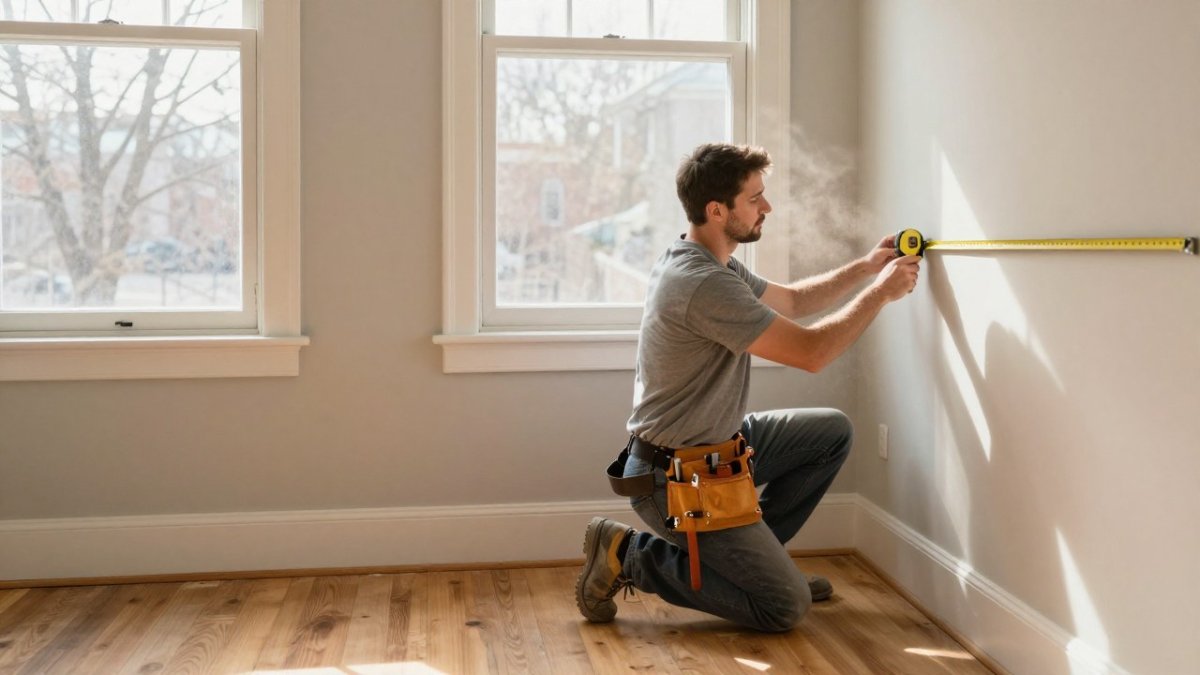
Start a whole house remodel with two honest lists: what you want the house to do, and what condition it is in. Walk it room by room and note what is failing, a whole house remodel driven by finishes alone misses the expensive problems behind the walls.
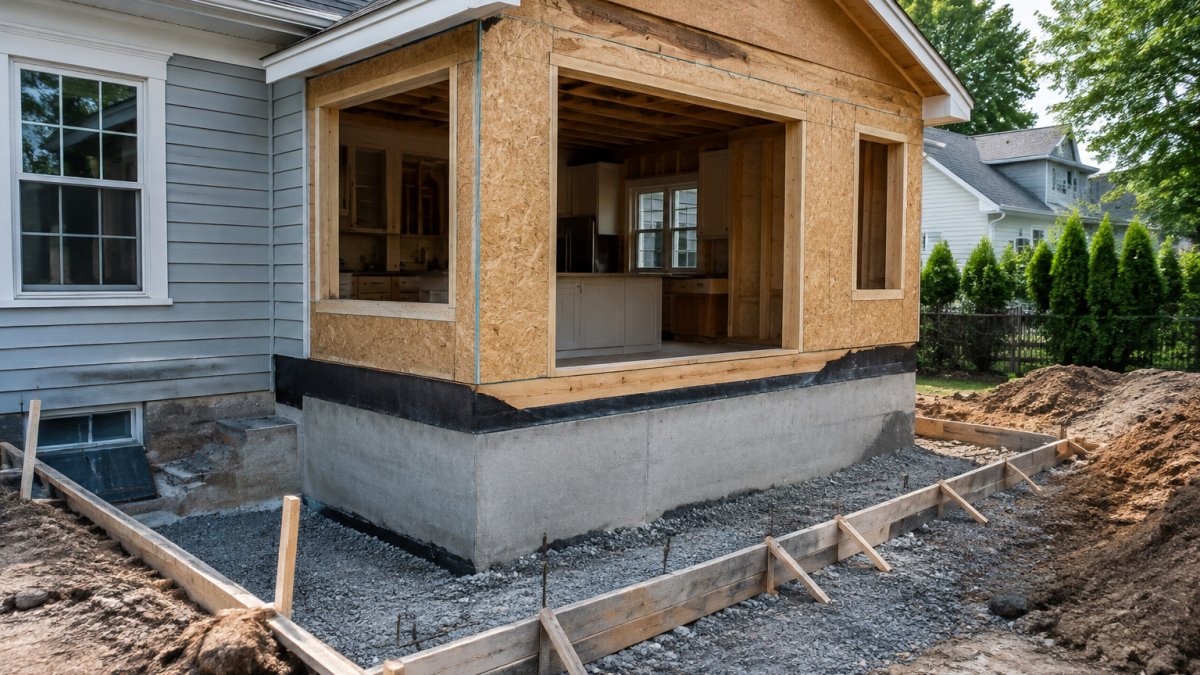
A whole house remodel is a coordinated renovation touching most or all living areas, combining structural work, mechanical upgrades, and finishes under one plan.
Assess the roof, foundation, windows, and drainage, then the systems most homeowners overlook: HVAC age, the electrical panel, and plumbing supply lines. A home inspection report is a useful starting document, and your local building department can confirm code requirements.
Sort the wishlist into must-fix, want, and dream. Must-fix items protect structure and safety, wants improve daily life, and dreams can wait, this prevents spending the budget on a kitchen before addressing a failing roof.

Step 2: Understand Complete Home Renovation Cost and Set a Realistic Budget
Complete home renovation cost depends on scope, structural condition, and how much mechanical infrastructure you replace, so any budget built before the assessment is a guess.
Set a contingency before you fall in love with a material selection, because change orders are where budgets quietly break.
Phasing spreads the cost and lets you live at home longer, but can cost more overall and repeats disruption; a full-scale whole house renovation delivers a finished home in one pass. For a room-by-room breakdown and guidance on comparing contractor bids, see our guide to whole house renovation cost. If you want to understand how much cushion to hold back, read about the 30% rule for renovations.
Step 3: Plan Your Whole House Renovation Timeline and Hire the Right General Contractor
A realistic whole house renovation timeline depends heavily on permits, inspections, and material lead times more than construction speed.
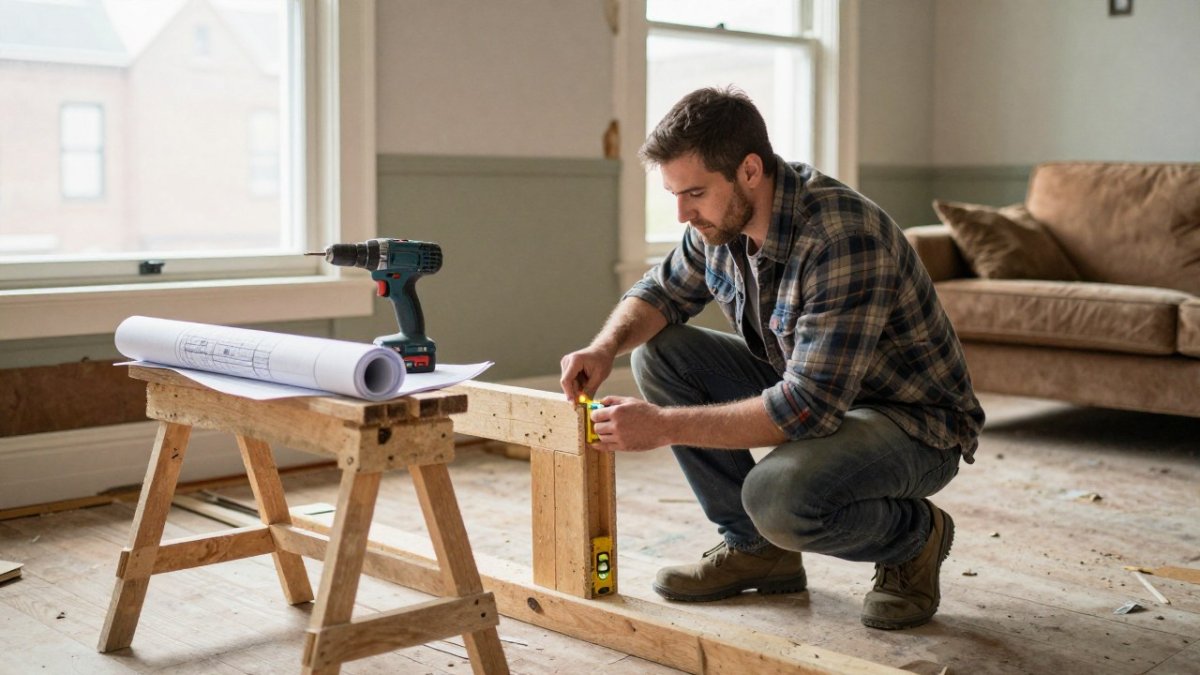
The order rarely changes: design and architectural plans, permits, demolition, structural work, rough plumbing and electrical, HVAC, insulation, drywall, then finishes and the final punch list.
When hiring a general contractor for home remodel work of this size, ask three questions. Who is my main point of contact? How often will I hear from you? What is your process for keeping the quote accurate? A licensed and insured contractor will answer all three plainly and put the scope in writing.
Watch out: the cheapest bid is usually cheap because something was left out of the scope, and that gap resurfaces later as a change order.
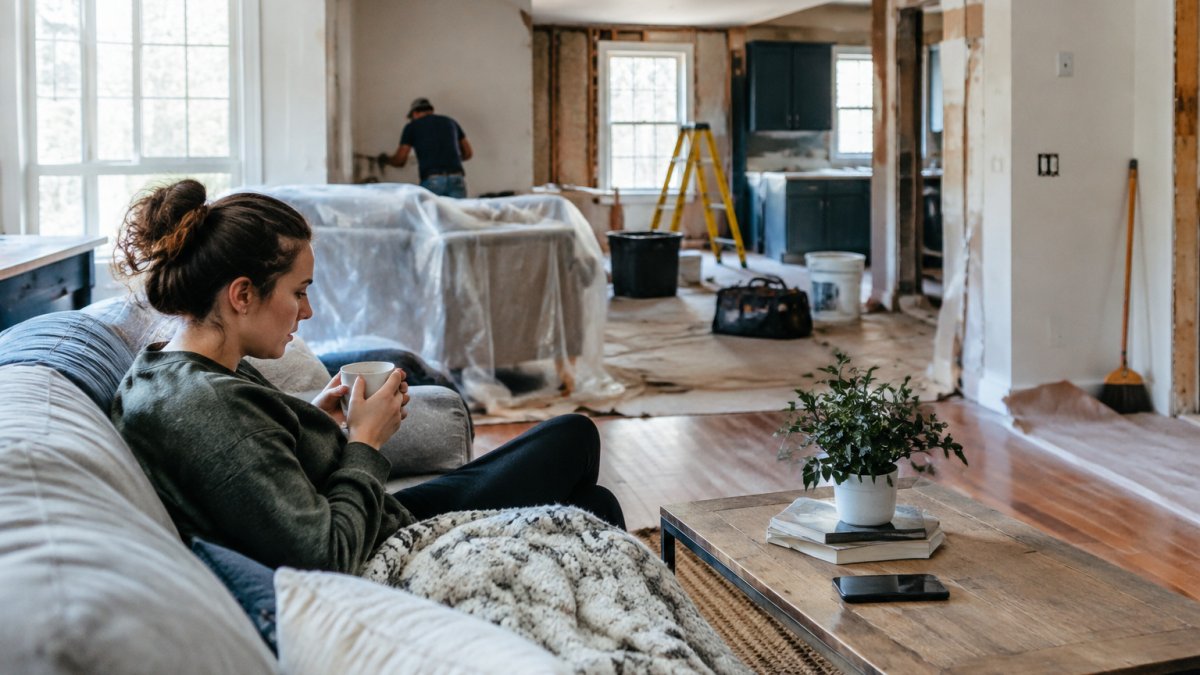
For a contractor who manages permits, design coordination, construction, and inspections under one roof, review the whole-home renovation services we provide. If you are unsure whether you can stay in the house during the work, read can you live in your house during a renovation. When you are ready, book a free estimate.
A whole house remodel rewards planning more than speed. If you are weighing scope, budget, and timeline and want a straight answer on what your home actually needs, Apex Building Group brings licensed and insured general contracting, expert project management from start to finish, and customized construction solutions tailored to your home. Get started with Apex Building Group and remodel with a plan you can trust.
Frequently Asked Questions
What is the 30% rule for home renovation?
The 30% rule suggests setting aside 30% of your total renovation budget for unexpected costs and overages. For a whole house remodel, this buffer covers hidden issues like outdated wiring, plumbing problems, or structural repairs discovered during demolition. It also helps absorb change orders you may request mid-project. While not a formal standard, many contractors recommend a contingency fund of 15-30% to avoid financial strain. A realistic budget with a built-in cushion keeps your project on track and reduces stress when surprises arise.
Where should I start when starting a full house renovation?
Begin by defining your goals and assessing your home's current condition. Identify what you want to achieve (e.g., more space, modern layout, energy efficiency) and what must be fixed (e.g., roof, HVAC, electrical). Then set a realistic budget that includes a contingency fund. Next, research and hire a licensed general contractor who can guide you through design, permits, and construction. Starting with a clear vision and professional input helps you avoid costly mistakes and ensures your whole house remodel stays on schedule and within budget.
Is $100,000 enough to renovate a house?
Whether $100,000 is enough depends on the scope, size, and location of your renovation. A whole house remodel typically costs more, but $100,000 can cover a partial renovation or a smaller home with modest finishes. Local labor and material costs can vary, so a detailed estimate is the best way to gauge what a given budget covers. To determine if your budget is sufficient, consult a general contractor for a detailed estimate based on your specific project scope and desired quality level.